By Ian Sandall, UK Rack Inspection Limited
When people think about racking damage, they imagine something obvious: a heavily dented upright, a beam hanging loose, a section clearly out of line.
But some of the most serious risks in a warehouse are not dramatic.
They are subtle.
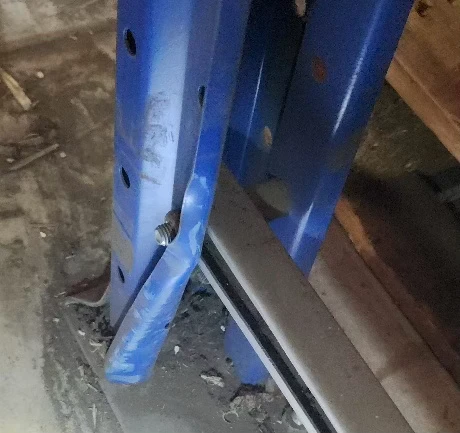
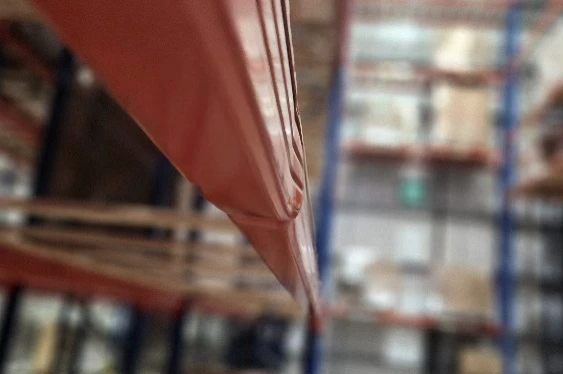
Hidden rack damage is one of the most underestimated threats within storage systems. It does not shout. It does not always stop operations. In many cases, it blends into the background of a busy warehouse and becomes part of the scenery.
That is where the danger lies.
If you are responsible for warehouse safety, pallet racking compliance or day-to-day operations, this is exactly why it pays to book a professional racking inspection before a small issue turns into a much bigger one.
Why hidden rack damage matters in pallet racking
Pallet racking is engineered to carry load in a very specific way. Weight transfers from beam to upright, from upright to baseplate, from baseplate to floor. When that structural path is altered, even slightly, the system begins behaving differently from its original design.
A small twist in an upright may not look significant. A slightly loosened baseplate bolt might go unnoticed. A beam connector that has suffered repeated minor impacts may still appear seated correctly.
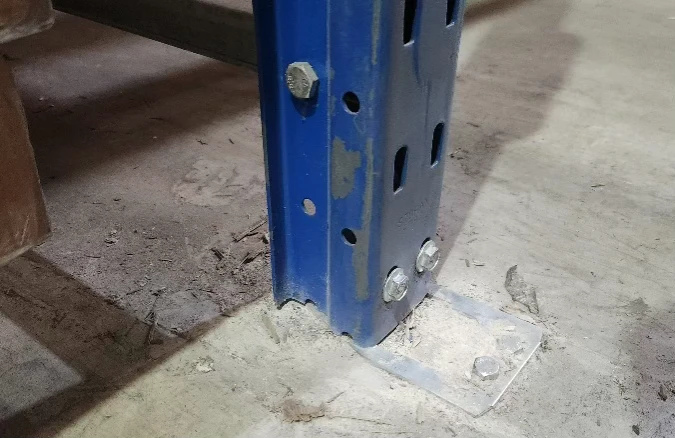
But steel reacts to stress. It remembers impact. Over time, repeated forces can change how a frame distributes load. The result is not always immediate failure. More often, it is gradual weakening.
And gradual weakening is far harder to detect.
That is one reason hidden pallet racking damage can be so easily missed in a busy warehouse. The warning signs are often there, but they are easy to normalise when teams are focused on keeping operations moving.
Why older installations need closer attention
In older installations, this becomes even more critical. Years of operational use, layout changes, pallet weight variations and minor repairs can create a complex history within the structure. Without trained assessment, those changes are rarely understood in full.
What appears to be a minor issue today may actually be the result of repeated impacts, previous alterations or accumulated wear across the life of the system.
For warehouse managers, H&S leads and SME owners, that is where an independent inspection adds real value. It gives you clarity on the true condition of the racking, not just what is obvious at first glance.
When a qualified racking inspection becomes essential
This is where qualified inspection becomes essential.
A SEMA Approved Rack Inspector is trained to recognise not just visible damage, but structural behaviour. Combined with SIERS installation knowledge, that expertise allows a deeper understanding of how racking was intended to be assembled and how it should perform under load.
It is not just about spotting dents.
It is about reading the structure.
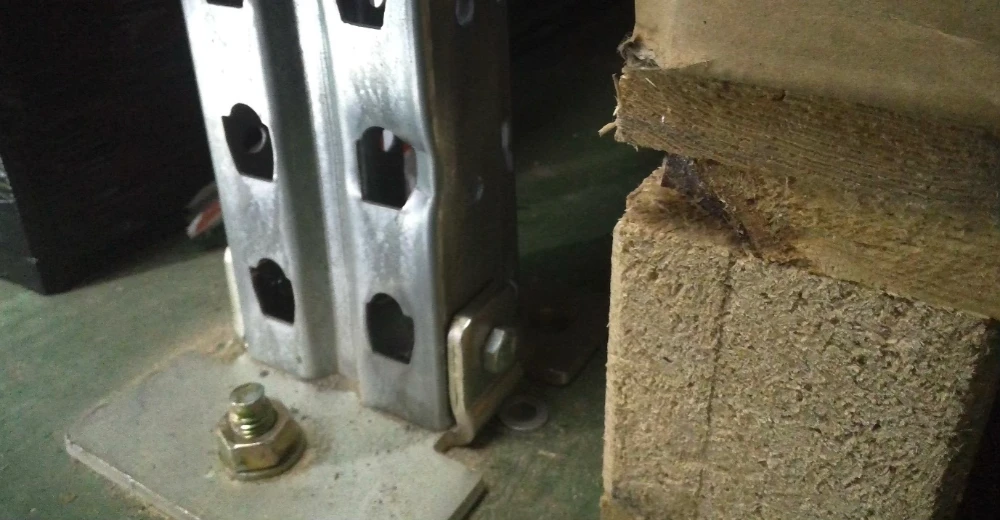
An experienced inspector will recognise subtle deformation patterns, small alignment inconsistencies, early signs of bracing stress or indications that impact has occurred even when repainting has disguised the evidence.
These are the types of details that can indicate reduced capacity long before anything dramatic happens.
If you already suspect something is not quite right, or you want reassurance that your system is safe and compliant, you can contact UK Rack Inspection Limited to arrange an inspection or request a quote.
Hidden damage is not always in the obvious places
One of the biggest misconceptions around warehouse racking safety is that serious problems are always visible from a distance.
They are not.
Damage can sit in beam connections, base fixings, bracing, alignment, floor interface points or areas where previous impact has been disguised by day-to-day wear. In some cases, the racking may still look serviceable while its performance under load has already changed.
This is why a rack damage inspection should never be reduced to a quick visual glance from the aisle.
A proper assessment considers not only what is damaged, but what that damage means in the context of the installation, the loading pattern and the way the warehouse actually operates.
Rack protection also needs inspecting
Rack protection is not a fit-and-forget solution either. It can stop protecting the racking, and in some cases even transfer impact straight into the frame.
That is why rack protection should be inspected as part of any structured assessment, ensuring it remains secure, correctly installed and doing the job it was designed to do.
Where protection has been added, altered or struck repeatedly, it is worth checking whether it is still helping the system or masking a deeper issue.
Alongside regular visual checks and good housekeeping, practical measures such as staff awareness matter too. For many sites, racking awareness training helps teams spot damage earlier, report issues properly and avoid common handling mistakes that lead to repeat impact.
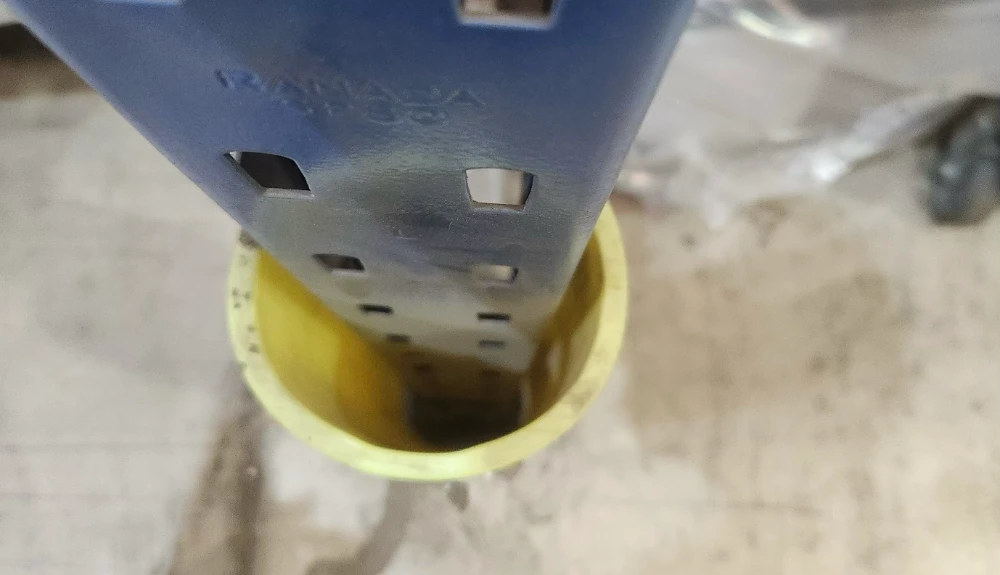
What a professional pallet racking inspection looks for
A professional pallet racking inspection is about more than identifying isolated dents or impact marks. It looks at the wider condition of the system and how that system is performing as a whole.
That can include:
- upright damage and deformation
- beam connection integrity
- baseplate and anchor condition
- signs of movement or misalignment
- bracing stress and frame behaviour
- condition and suitability of rack protection
- evidence of repeated truck impact
- whether the installation still reflects how the racking was intended to be used
This kind of inspection is particularly important where systems have been adapted over time, where product profiles have changed, or where there is uncertainty around previous repairs or alterations.
If your warehouse includes other storage systems as well as pallet racking, specialist inspections may also be needed. For example, businesses using long-item storage can arrange cantilever racking inspections to make sure those systems are assessed properly too.
Why hidden rack damage should never be ignored
Rack collapse rarely begins with something obvious.
It often begins with something small that was overlooked.
Hidden damage does not always mean imminent failure, but it does mean altered performance. And altered performance under load is never something to ignore.
The benefit of independent, competent inspection is clarity. It brings trained assessment to areas that everyday operations may unintentionally normalise.
Because when it comes to racking safety, what you do not see can be just as important as what you do.
And experience is what turns hidden risk into visible action.
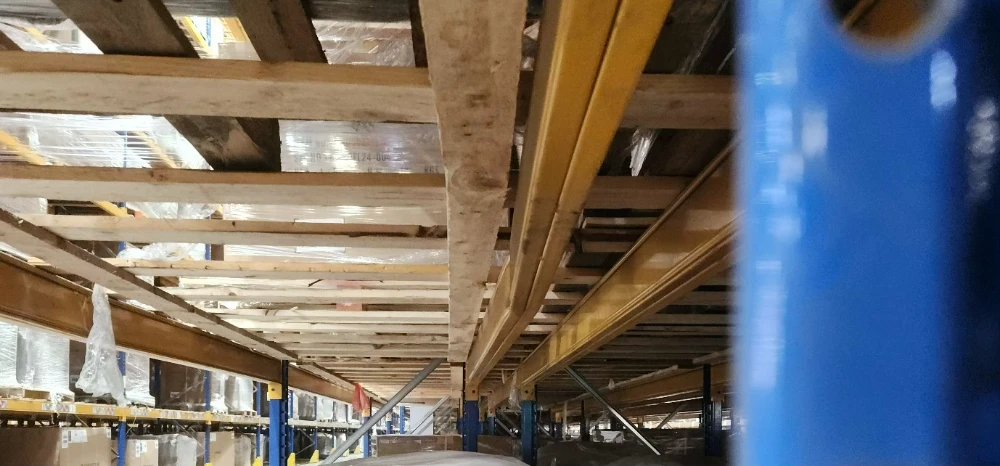
What to do if you suspect hidden rack damage
If you suspect hidden rack damage, do not rely on assumptions. A section that looks acceptable at a glance may still need closer assessment, especially where there has been impact, historic alteration or ongoing operational wear.
The HSE’s warehousing guidance reinforces the need for safe warehouse management, while SEMA guidance supports a regime of regular checks alongside expert inspection.
For practical peace of mind, the safest next step is to arrange an expert inspection and get a clear view of condition, risk level and recommended action.
Need advice on hidden rack damage or want to arrange an inspection? Get in touch with UK Rack Inspection Limited to discuss your warehouse, request a quote or book a site visit.
About the author
This article is written by Ian Sandall of UK Rack Inspection Limited. Ian’s work is focused on helping warehouses identify risk clearly, understand the real condition of their storage equipment and take practical action before small problems become serious ones.
This article is intended as general guidance only. Racking condition should always be assessed on site by a competent person, as risk depends on the installation, loading pattern, environment and operational use.
Frequently Asked Questions
What is hidden rack damage?
Hidden rack damage is damage or structural change that is not immediately obvious during normal warehouse activity. It may involve slight twisting, loosened fixings, connection damage, alignment issues or signs of repeated impact that affect how the racking performs under load.
Can pallet racking be damaged even if it still looks usable?
Yes. Pallet racking can appear serviceable while still showing signs of altered performance. That is why subtle issues should not be dismissed simply because there is no dramatic visual failure.
When should I book a racking inspection?
You should arrange a racking inspection if there are visible signs of damage, repeated forklift impacts, concerns about older installations, changes to loading patterns, uncertainty around previous repairs, or simply as part of a responsible safety regime.
What does a SEMA Approved Rack Inspector look for?
A SEMA Approved Rack Inspector looks beyond obvious dents and checks the wider behaviour and condition of the installation. That includes damage severity, structural alignment, connections, anchors, protection, configuration and whether the system is suitable for its current use.
Does rack protection remove the need for inspections?
No. Rack protection can help reduce damage, but it still needs to be checked. If it is loose, damaged, poorly fitted or repeatedly struck, it may no longer be doing the job it was designed to do.
Is hidden rack damage always an immediate collapse risk?
No. Hidden damage does not always mean imminent failure, but it does mean something may have changed in the way the racking performs. That is enough reason to have it assessed properly.
Can UK Rack Inspection Limited help with more than pallet racking?
Yes. Depending on your site, inspections may also be needed for other systems such as cantilever racking. If you are unsure what type of inspection is appropriate, the best step is to make contact and discuss your setup.